
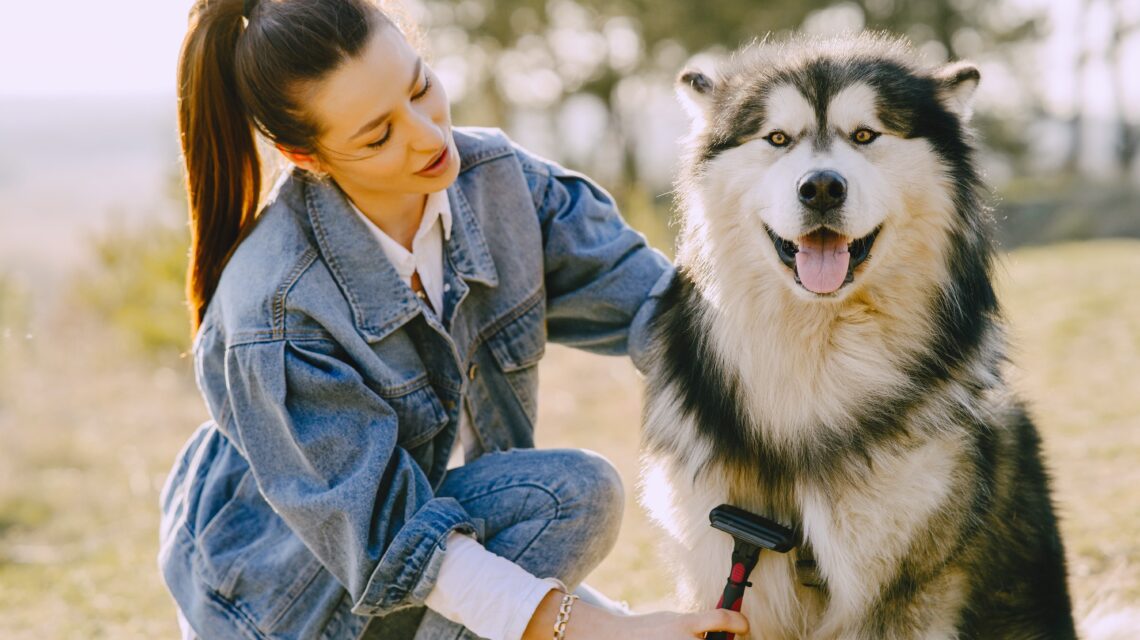
Deshedding is much easier when the tool matches your dog’s coat and comfort level. This roundup covers ten options, from stainless steel undercoat rakes and long-pin slicker brushes to soft silicone gloves, bath scrubbers, self-cleaning slickers and a vacuum grooming kit, so you can match the tool to how your dog sheds and how much handling they accept.
Every pick was judged on suitability for the coat, material safety, comfort, control, ease of cleaning and how it fits puppies, seniors and sensitive dogs. Each one has a trade-off, and no brush replaces professional grooming for severe matting or veterinary care for skin problems.
1. Maxpower Planet Dog Grooming Rake, Deshedding Undercoat Brush

Owners of long-haired or thick double-coated dogs who keep finding knots behind the ears and clumps of undercoat on the floor, and who want one manual tool that handles both tangles and loose fur.
Pros
- Two working sides in one tool: a 9-tooth side for working through mats and tangles, then a 17-tooth side for thinning and deshedding afterward.
- Stainless steel teeth are described as sharpened but finely rounded, which is meant to reduce scratching when the rake reaches the undercoat.
- The rubber handle is lightweight and has a non-slip base, which can help you keep a steady grip on a wiggly dog.
- Designed for thick fur and dense double coats, which matches the coats that tend to shed the most undercoat.
- Also suitable for cats, so a mixed household can share one rake if it is cleaned between pets.
Cons
- Because the teeth are sharpened, the rake may scrape thin or sensitive skin if pressed down hard; light, short strokes are safer, especially on seniors.
- It is built for long, dense coats, so owners of short, smooth-coated dogs may find it pulls little hair and is not the right fit.
- The product facts do not describe a self-cleaning feature, so you will likely need to pull trapped hair from between the teeth by hand.
Picture a dog with a soft knot forming under the collar and a coat that leaves tufts on every rug. This rake is set up for exactly that routine: start with the wider 9-tooth side to tease apart the tangle in small sections, then switch to the denser 17-tooth side to lift out loose undercoat. Holding the hair near the skin while you work the knot can reduce pulling and make the session more comfortable for your dog.
The stainless steel teeth and rubber handle are the main materials listed, and no size or measurements are given, so check the overall width against your dog’s body size before buying, since a wide head can feel awkward on small dogs or around legs. Tight mats sitting flat against the skin should not be raked out forcefully; a professional groomer can safely remove them. If you see redness, sores, scabs or a bad odor under a mat, stop brushing that area and contact your veterinarian.
To buy this product, click here.
2. SleekEZ Deshedding Dog Brush, 5 Inch

Owners of short-, medium- or long-coated dogs who want a simple, compact deshedding tool and would also like to rake pet hair off couches, car seats and dog beds.
Pros
- The patented blade design is meant to catch the tips of loose hairs and draw them out without hard tugging, which can be gentler for dogs that dislike brushing.
- Marketed for all coat types and hair lengths, so it may suit households with more than one kind of dog.
- The handle is poplar wood paired with a stainless steel working edge, a simple build with no moving parts to break.
- It doubles as a hair rake for carpets, blankets, furniture and car interiors, so one tool covers both the dog and the house.
- The 5-inch size listed in the name gives you a clear idea of its working width before you buy.
Cons
- It is aimed at loose shedding hair, so it may do little for established mats or tangles that need a wide-toothed comb or a groomer.
- A wooden handle can absorb water, so it may not be ideal for use during baths or on a damp coat, and it should be dried after cleaning.
- The product facts do not mention a self-cleaning feature, so some users may need to brush hair off the blade by hand during longer sessions.
The standout feature here is the patented edge designed to grab hair at the tips rather than digging toward the skin. In practice, that approach can help lift shedding fur with lighter pressure, which matters for dogs that squirm or have thin coats. Keep strokes short and follow the direction of hair growth, and check the skin often, since any metal edge can irritate if you go over the same spot many times.
The 5-inch width suits the back, sides and chest of most dogs, though it may feel large on small breeds, faces or paws, so a small comb is still helpful for those areas. Because the same tool works as a furniture and carpet rake, wipe it clean before moving between the house and your dog. If brushing reveals bald patches, flaky or red skin, or itching that does not settle, that points to something beyond normal shedding and is worth a veterinary visit.
To buy this product, click here.
3. Swihauk Self Cleaning Slicker Brush

This brush suits owners of small dogs, puppies and everyday shedders with short or long coats who want soft-tipped bristles and a quick way to clear hair from the brush after each session.
Pros
- The bristles have rounded plastic tips, which are designed to feel softer on the skin than bare wire pins.
- A press-to-release button pushes collected hair off the bristles, so cleanup takes a moment instead of picking hair out by hand.
- The lightweight TPR handle is described as ergonomic, which can help reduce hand strain during frequent brushing.
- Recommended for puppies and small dogs as well as short- and long-haired pets, making it a gentle option for young dogs still getting used to handling.
Cons
- Soft, round-tipped bristles may not reach deep enough to pull dense undercoat out of heavy double coats as well as a metal rake can.
- The listing names plastic bristles but also mentions stainless steel metal, so buyers should check the product photos or ask the seller which parts are metal.
- A retracting button mechanism has moving parts, which some users find can stiffen or wear with heavy daily use.
If your dog is a puppy, a small breed or simply a bit nervous about grooming, this is the type of brush designed with you in mind. The rounded plastic bristle tips and lightweight handle aim to keep sessions short and comfortable, which helps build a positive association with brushing. Start with brief sessions on easy areas like the back, and give breaks if your dog pulls away.
The self-cleaning release is the practical highlight: press the button and the hair slides off the bristle pad. The product facts do not list dimensions, so check the head size against your dog’s body before buying. A slicker brush is meant for loose fur and light tangles, not tight mats; work those gently or leave them to a professional groomer. Stop and call your veterinarian if you notice redness, broken skin, scabs or unusual odor while brushing.
To buy this product, click here.
4. Dipoo Self Cleaning Shedding Brush

Owners of short- or long-haired dogs, including puppies and small breeds, who want a soft-tipped slicker-style brush and a quick release button to clear collected fur.
Pros
- The bristles are plastic with rounded heads, which are designed to avoid scratching the skin during deshedding.
- A push-button release clears collected hair from the bristles, so you do not have to pull fur out by hand.
- The TPR handle is lightweight, which can make frequent brushing easier on your hand and wrist.
- Listed as suitable for puppies and small dogs as well as long- and short-coated pets, so it can grow with a young dog.
Cons
- Rounded plastic tips may not lift deep, packed undercoat as effectively as a metal undercoat rake on heavy double coats.
- The listing describes plastic bristles but also mentions stainless steel and rubber, so it is worth checking which parts are metal before buying for a sensitive dog.
- No dimensions are provided, so buyers will need to confirm the head size suits their dog’s size and the smaller areas they want to brush.
Compared with a basic slicker brush, which usually has fine wire pins and leaves you picking a mat of hair off the pad by hand, this brush swaps in round-tipped plastic bristles and a release button that pushes the hair away. That makes it a softer, tidier option for dogs that are touchy about brushing, though it trades away some of the deep-reaching grip that firmer tools offer for very dense coats.
Use gentle, short strokes in the direction of hair growth, and keep sessions brief for puppies and seniors so the experience stays calm. This brush is best for loose fur and light tangles; tight mats close to the skin should be handled by a professional groomer rather than forced out. If brushing uncovers hot spots, flaking, sores, persistent itching or a strong odor, pause grooming in that area and contact your veterinarian.
To buy this product, click here.
5. Augwind 3PCS Self Cleaning Slicker Brush, Grooming Rake & Flea Comb

Owners who prefer to keep a small, organized grooming set instead of collecting separate tools, and whose dogs need detangling, deshedding and close checks of the coat for debris or dandruff.
Pros
- Three tools are bundled together: a slicker brush, a double-sided rake and a fine-toothed flea comb, covering detangling, loose hair removal and close coat checks.
- The rake has a 9-tooth side for working knots and mats and a 17-tooth side for thinning excess hair.
- The slicker brush retracts its bristles with a push button, so loose hair can be cleared quickly after use.
- The fine-toothed comb helps lift small debris and dandruff flakes and lets you inspect the coat closely for fleas.
- The company states a 2-year warranty that covers quality issues, which gives some protection if a tool fails early.
Cons
- A flea comb can help you find and remove fleas, but it is not a flea treatment; dogs with fleas or ticks still need a vet-recommended preventive.
- With three different tools, some owners may find it takes practice to learn which one to use on which part of the coat.
- The listing does not give materials or measurements for each tool, so buyers should check bristle, tooth and handle details before using it on a sensitive or small dog.
When storage space is limited, one coordinated set can replace a jumble of brushes in a drawer. This kit covers three common jobs: the rake works through tangles with its wider 9-tooth side and thins coat with its 17-tooth side, the slicker brush picks up loose fur and dander, and the fine-toothed comb lets you look closely at the skin and coat. A sensible routine is rake for knots first, slicker for loose hair, then the comb for a final check.
The product facts mention an adjustable feature without explaining it, so check the listing photos or ask the seller what adjusts. Because the flea comb lets you see the coat up close, it is a useful way to spot problems early, but it does not replace parasite prevention. Tight mats against the skin are best left to a groomer, and redness, sores, heavy flea dirt, persistent scratching or unusual odor are reasons to contact your veterinarian.
To buy this product, click here.
6. oneisall Dog Grooming Vacuum, 7 in 1 Grooming Kit

Owners who groom at home, want loose hair pulled away as they brush or clip instead of drifting across the floor, and have a dog that can tolerate steady motor sound. It suits households on 110-130V power with room to store a corded machine and its attachments.
Pros
- Suction pulls loose hair into a detachable 1.5 L dust cup while you brush or clip, which can keep hair off floors and furniture.
- The rated noise level is 59 dB, and there are 3 suction settings, so you can start on a lower setting for a dog that is new to the sound.
- The kit combines a grooming brush, deshedding tool, electric clipper, paw trimmer and nail grinder, so several grooming jobs can be handled with one machine.
- A 5.2 ft hose and an 8.7 ft power cord give you room to move around the dog rather than pulling the dog toward the machine.
- A nozzle head and cleaning brush let you pick up hair from sofas and floors after the session.
- Storage boards and a bag are included to keep the attachments organized between uses.
Cons
- At 8.7 pounds and corded, it may feel bulky to move around compared with a hand brush, and it only runs on 110-130V power.
- Even at its rated noise level, some dogs may be nervous about a running motor and a hose near their body, so it can take several short practice sessions before grooming goes smoothly.
- With clippers and a nail grinder in the kit, there is more risk of nicks, overheated skin or reaching the quick than with a simple brush, so owners new to these tools should go slowly.
Late in the day, when a shedding dog is settled on the rug and tufts are already collecting in the corners, this is the kind of tool that turns a quick brush-out into a cleaner job. The deshedding head works while suction carries the loose fur into the dust cup, so less of it ends up on the furniture. Start with the lowest of the 3 suction settings and let your dog sniff the machine before turning it on, then reward calm behavior.
The extra attachments are useful but deserve care. When using the nail grinder, touch each nail briefly, check often, and stop well before the quick, especially on dark nails where it is hard to see; if a nail bleeds, apply gentle pressure with a styptic powder or cornstarch and call your veterinarian if bleeding does not stop. Keep clipper blades away from skin folds, and check for warmth during longer sessions. The facts do not list blade materials or clipper guard sizes, so check the included guards against the coat length you want.
To buy this product, click here.
7. Docrok Pet Grooming Combo, Deshedding Brush with Metal Comb

Owners of medium- or long-haired and double-coated dogs who deal with tangles and seasonal undercoat, and who want both a rake for the body and a comb for legs, head and tail.
Pros
- The rake has a wide side for working through mats and a dense side for pulling loose undercoat, so one tool handles both steps.
- A separate comb with wide and dense sides reaches the legs, head and tail, where a larger rake can be hard to maneuver.
- Stainless steel teeth are paired with a lightweight TPR handle, a simple manual build with nothing to charge or plug in.
- Edges on the brush and comb are described as protective, aimed at reducing scraping during detangling.
- Designed for medium and long coats and double-coated pets, which matches the coats most likely to tangle and shed heavily.
Cons
- You may need to switch between two tools and two sides of each during a session, which can feel slower than a single brush.
- Metal teeth can irritate thin or sensitive skin if pressed too firmly, so senior dogs and dogs with skin issues need a light touch.
- It is aimed at longer and double coats, so owners of short, smooth-coated dogs may find it lifts little hair.
The honest trade-off is that this is a two-tool setup, so you will be swapping between rake and comb rather than using one brush from start to finish. Still, that split can be worth it: the rake covers the large areas of the body, and the comb gets into the smaller, more delicate places like behind the ears, around the tail and down the legs, where tangles often form first.
Begin with the wider side of each tool to loosen knots in small sections, holding the hair near the skin to limit pulling, then finish with the dense side to remove loose undercoat. No dimensions are listed, so check the head sizes against your dog’s body before ordering. Tight mats lying flat against the skin should be handled by a professional groomer rather than forced, and redness, sores or a bad odor under matted fur are a reason to see your veterinarian.
To buy this product, click here.
8. 2PCS Slicker Brush & Pet Comb for Goldendoodles, Poodles and Labradoodles

Owners of doodles, poodles, bichons and other dogs with medium-length, curly or dense coats that tangle easily and need brushing down to the undercoat.
Pros
- Pins are about 1 inch long and set at roughly a 45° angle, which helps them reach through thick, curly coats toward the undercoat.
- The angled pin design is intended to limit pressure on sensitive skin while still detangling deeply.
- A stainless steel comb is included, with rounded pin ends that are gentler on the skin and handy for checking that the coat is tangle-free after brushing.
- The slicker’s ergonomic handle is designed to reduce hand and arm fatigue during long sessions in shedding season.
- The brand states a 2-year quality guarantee covering manufacturing defects.
Cons
- Long slicker pins can cause brush irritation if you press hard or brush the same spot repeatedly, so a light hand is important on sensitive dogs.
- This set is aimed at medium, curly and thick coats, so it may be more than a short-coated dog needs.
- The slicker brush has no self-cleaning release listed, so you may need to pull hair from the pins by hand.
The owner notes describe a pairing built for thick, curly coats: a slicker with extra-long angled pins to work through dense fur, plus a steel comb to follow up and catch what the brush missed. For doodle and poodle coats, that combination makes sense, since knots often hide close to the skin where a short-pinned brush never reaches.
A simple routine is to line brush in sections, parting the hair and brushing outward from the skin, then run the comb through to confirm the coat is clear. Light pressure matters with slickers; let the pin length do the work. If you find felted mats or matting across large areas, a professional groomer may need to clip the coat short to avoid painful pulling, and any redness, scabs or odor beneath mats should be checked by your veterinarian.
To buy this product, click here.
9. NVNAN Pet Hair Removal Glove for Dogs & Cats, 2-Pack

Owners who want an easygoing grooming option for dogs that dislike brushes, including short-, long- and curly-coated dogs, and who like to remove loose hair during petting or bath time.
Pros
- Two gloves come in one pack, so you can keep one for dry brushing and one for baths, or use both hands at once.
- Each glove has 260 silicone nubs, and soft silicone is designed to massage without scratching the skin.
- An adjustable wristband lets you fit the glove to your hand for a secure, comfortable grip.
- They can be used wet as a bath and shampoo mitt, which helps work shampoo through the coat.
- Loose hair clings to the glove surface and can be peeled away afterward.
Cons
- A glove may not pull deep undercoat from a heavy double coat as thoroughly as a metal rake, so heavy shedders may still need a second tool.
- Gloves are not designed to remove mats or tight tangles, which need a comb or a groomer.
- Some users find a single glove size awkward on very small or very large hands, even with the adjustable wristband.
For owners trying to keep grooming spending sensible, a two-pack gives you more uses out of one purchase: one glove can stay by the tub and another by the couch. Because the gloves feel much like petting, they can be a gentle starting point for puppies, seniors and dogs that tense up at the sight of a brush.
Use slow strokes in the direction of hair growth and keep sessions short, especially on bony areas of older dogs. During baths, a glove can help spread shampoo, but remember that regular shampoo is for cleansing, not for treating skin disease; persistent itching, wounds, flaky or greasy skin, or unusual odor call for a veterinary check. Rinse and dry the gloves after each use so hair and shampoo residue do not build up.
To buy this product, click here.
10. KQUQK 2PCS Dog Bath Brush Set

Owners of short-haired dogs who want a soft silicone scrubber for bath time and quick rubdowns, and who need a secure grip on a slippery, wet dog.
Pros
- The adjustable loop handle can be fitted around your hand, so the brush is less likely to slip away mid-bath.
- Made of silicone that is easy to clean and quick-drying, which helps when the brush lives in a damp bathroom.
- The soft brush head is designed to lift loose hair and dead skin without harming the skin.
- A non-slip design helps keep the brush steady during scrubbing and shampooing.
- Two brushes come in the set, so you can keep one for baths and one for dry grooming.
- The brand states a 2-year quality guarantee covering manufacturing defects.
Cons
- It is described for short-haired pets, so it may not work well on long or double coats, and it does not detangle mats.
- A soft silicone head can feel less effective than metal tools at removing heavy undercoat during peak shedding.
- The facts do not list dimensions, so owners of very small or very large dogs should check the head size before buying.
Setting this brush up is simple: slide your hand into the loop, adjust it so it sits snug, and you are ready for the tub. That fit is the first thing most owners will notice, because a wet dog and a slippery brush rarely go well together. Starting with a dry rubdown before the first bath can help your dog get used to the feel.
During a bath, use gentle circular motions to work shampoo through the coat and loosen dead hair. A regular shampoo is for general cleansing; it is not a treatment for skin disease. If your dog has ongoing itching, redness, open sores, signs of infection, unusual odor or reacts to a shampoo, stop using it and talk to your veterinarian. Rinse and air-dry the brush after each use so residue does not build up.
To buy this product, click here.
FAQ
How do I choose a deshedding brush for my dog’s coat type?
Match the tool to the coat. Dense double coats tend to need a metal undercoat rake or a deshedding blade to reach loose undercoat. Curly and doodle coats usually do best with a long-pin slicker brush followed by a comb. Short, smooth coats often respond well to silicone gloves or rubber bath brushes, which lift loose hair without digging in. For small dogs, puppies or nervous dogs, a lighter tool with rounded or soft tips is often easier to introduce.
How should I brush a dog with mats or sensitive skin?
Work in small sections with light pressure, holding the hair close to the skin so you do not pull. Use the widest-spaced teeth first, then move to finer teeth. Never cut or rake tight mats lying flat against the skin, since that can cause injury; a professional groomer can remove them safely. For sensitive dogs, keep sessions short, choose soft-tipped or silicone tools, and stop if the skin looks red or your dog shows discomfort.
How often should I bathe a dog that sheds a lot?
It depends on coat type, activity level and skin health. Many dogs only need a bath when they are dirty or smelly, and bathing too often can dry the skin. Regular brushing between baths does more to control shedding. If your dog has a skin condition, follow your veterinarian’s bathing schedule and product recommendations.
When should I stop using a shampoo and call the vet?
Stop and contact your veterinarian if you notice increased itching, redness, hives, swelling, hair loss, open sores, signs of infection, or an unusual odor after bathing. Also call if itching continues despite gentle care, since ongoing itch can point to allergies, parasites or infection that a regular cleansing shampoo is not designed to treat.
How do I use a nail grinder safely and avoid the quick?
Grind in short touches, checking the nail tip often. On light nails, stop before the pink area; on dark nails, watch for a small dark dot in the center of the cut surface, which means you are close to the quick. Keep fur away from the spinning head and take breaks so the nail does not get warm. If a nail bleeds, apply gentle pressure with styptic powder or cornstarch, and call your vet if bleeding does not stop within a few minutes.
How do I keep grooming tools clean?
Remove hair after every session using the release button on self-cleaning brushes, or by hand on rakes and combs. Wash silicone brushes and gloves with mild soap and water and let them dry fully. Dry metal tools and wooden handles promptly. Empty vacuum dust cups after each use, and clean brushes before using them on another pet.
When is professional grooming or veterinary care needed?
See a professional groomer for widespread or felted matting, coats that need clipping, or dogs too anxious to groom safely at home. Contact your veterinarian for bald patches, flaky or greasy skin, scabs, hot spots, lumps, persistent scratching, fleas or ticks, or an unusual odor. Sudden heavy shedding outside normal seasonal changes is also worth a vet check.
Conclusion
The best deshedding tool is the one your dog tolerates and that fits the coat in front of you. Rakes and long-pin slickers suit thick, double or curly coats; self-cleaning slickers and gloves are gentler starting points for puppies and sensitive dogs; silicone bath brushes help short coats during baths; and the vacuum kit suits owners who want hair contained during home grooming and are willing to introduce a powered tool slowly.
Whatever you choose, use light pressure, keep sessions short and positive, and clean the tool after each use. Leave tight mats to a groomer, and treat skin changes, ongoing itching or odor as a reason to call your veterinarian rather than brushing harder.